
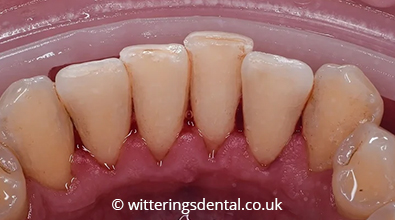
Dental hygiene treatment is delivered by a specially trained dental hygienist who will help to remove any hard-to-reach plaque from your teeth that may have built up over time.

Here is what you can expect from a hygiene appointment:
- Your teeth and gums will be assessed to determine the amount of plaque removal you will need and risk factors will be highlighted.
- Your teeth will be professionally cleaned with special equipment and pastes. This process is also known as scaling and polishing.
- The hygienist’s role is to show you how to look after your teeth so that they remain free from plaque in the future. You will be advised on the best tooth brushing technique and given tips on flossing and using interdental brushes.
Dental hygiene at our practice also functions preventatively to treat gum disease and bad breath. If you have a bridge, denture, orthodontic treatment or a dental implant you will have specific hygiene needs that the hygienist will be able to assist you with.
It is recommended that you come in for regular hygiene appointments to ensure your mouth stays clean and healthy.
Life Benefits
- Minimised risk of tooth loss.
- Reduced risk of developing tooth decay and need for fillings.
- Fresh minty breath.

Meet Your Hygienists
CEB Certificate,1984
GDC No. 2838
Originally from Warwickshire, Cheryl moved South in 1979 and settled in Sussex in 1991. She has been a qualified hygienist for 40 years, providing general hygiene and periodontal care, and has worked in both teaching hospitals and private practice, bringing extensive experience to her patients.
Cheryl is passionate about her work and enjoys building strong connections with her patients. She has a particular interest in supporting nervous patients, helping them feel comfortable and at ease during their visits.
Outside the practice, she is an active member of The Order of Women Freemasons, supporting local charities.
BSc (HONS), Dental Hygiene and Dental Therapy
GDC No. 302968
Erika qualified from the University of Portsmouth with First Class Honours in Dental Hygiene & Dental Therapy.
She is deeply passionate about patient care, and her gentle, compassionate approach helps even the most anxious patients feel at ease. Erika firmly believes that prevention is better than cure and is committed to educating patients to maintain long-term oral health.
BSc (HONS), Dental Hygiene
GDC No. 329419
A true local, Dominic has lived in the Witterings his entire life and has been part of The Witterings Dental Practice community since the age of four. He graduated from the University of Portsmouth with First Class Honours in Dental Hygiene and provides high-quality preventative and periodontal care.
Dominic believes outstanding oral health begins with trust, comfort, and familiarity. He is dedicated to building strong, supportive relationships with his patients, ensuring they feel relaxed, listened to, and confident at every appointment.
Outside the practice, Dominic is a keen fisherman and fitness enthusiast, with a passion for travelling and maintaining a healthy lifestyle.
FAQs
What are the benefits of visiting a hygienist?
Visiting the hygienist on a regular basis is an essential part of maintaining good oral health. A qualified dental hygienist can provide a range of treatments to help keep your teeth and gums healthy. By having your plaque and tartar professionally removed, you can avoid the build-up of bacteria in hard-to-reach places which can cause cavities, gum disease and other conditions.
In addition to removing plaque and tartar, your hygienist can also brighten up your smile with scaling and polishing techniques. Plus, they can give you tailored advice on how to look after your teeth properly at home with the right diet and regime for maintaining good oral hygiene. By visiting a hygienist regularly you can ensure that your teeth remain healthy, clean and free from decay or disease.
How often should I visit a hygienist?
The frequency of dental hygiene visits is based on individual needs and can vary from every 3 to 12 months. Discussing your unique oral health needs with your dentist or hygienist is important. If you have good oral health, preventive visits may be as infrequent as once a year. However, if you are prone to cavities or gum disease, more frequent cleanings may be recommended.
What should I expect when visiting a hygienist?
Your visit to the dental hygienist will usually start with an examination of your teeth and gums, followed by a professional cleaning. During the cleaning, your hygienist will use special tools to remove plaque and tartar that has built up on your teeth. This can help reduce the risk of decay, gum disease, and other oral health issues. After the cleaning, your hygienist may also polish your teeth and provide you with advice on how to keep your mouth healthy at home.
What treatments can a hygienist perform?
Dental hygienists are trained to perform a range of treatments including scaling and polishing, deep cleaning and root planing, fluoride treatments, and tartar control. They can also provide advice on how to brush and floss correctly, dietary recommendations, and preventive treatments such as sealants or mouthguard.
What is the importance of forming a good oral hygiene routine?
Good oral hygiene habits are essential to maintaining healthy teeth and gums. Brushing twice a day with fluoride toothpaste, flossing once a day and rinsing with mouthwash are all important parts of an effective dental health routine. Regular brushing removes plaque and food debris that can cause tooth decay and gum disease, while flossing between your teeth helps remove food particles that can get stuck in tight spaces which a toothbrush can’t reach. Rinsing with an antiseptic mouthwash helps reduce bacteria levels in the mouth for fresh breath and also reduces the risk of gum disease.
Interdental brushes are designed to get into the tight spaces between your teeth and help remove plaque and food particles that can accumulate in these areas. Using an interdental brush regularly helps reduce the risk of cavities, gum disease, and bad breath. It’s important to choose the right size for your teeth so it can effectively clean the hard-to-reach areas between your teeth.